US6801936B1 - Systems and methods for generating customized bundles of information - Google Patents
Systems and methods for generating customized bundles of information Download PDFInfo
- Publication number
- US6801936B1 US6801936B1 US09/545,439 US54543900A US6801936B1 US 6801936 B1 US6801936 B1 US 6801936B1 US 54543900 A US54543900 A US 54543900A US 6801936 B1 US6801936 B1 US 6801936B1
- Authority
- US
- United States
- Prior art keywords
- information
- rules
- subscriber devices
- bundles
- requests
- Prior art date
- Legal status (The legal status is an assumption and is not a legal conclusion. Google has not performed a legal analysis and makes no representation as to the accuracy of the status listed.)
- Expired - Lifetime
Links
Images



Classifications
-
- H—ELECTRICITY
- H04—ELECTRIC COMMUNICATION TECHNIQUE
- H04L—TRANSMISSION OF DIGITAL INFORMATION, e.g. TELEGRAPHIC COMMUNICATION
- H04L12/00—Data switching networks
- H04L12/02—Details
- H04L12/16—Arrangements for providing special services to substations
- H04L12/18—Arrangements for providing special services to substations for broadcast or conference, e.g. multicast
- H04L12/1859—Arrangements for providing special services to substations for broadcast or conference, e.g. multicast adapted to provide push services, e.g. data channels
Definitions
- the present invention relates generally to information distribution systems and, more particularly, to systems and methods that facilitate the distribution of information from various sources to multiple subscribers.
- networks such as the Internet
- the types of information provided over these networks have also increased and now include streaming audio, video, multi-player network interactive games, and other multimedia information.
- streaming audio, video, multi-player network interactive games, and other multimedia information With the vast amount of information available, it has become extremely important to distribute the information in as efficient and economical a manner as possible, especially at the edges of the networks, where mobile nodes may tie into wireless networks.
- Some conventional systems use broadcast technology to distribute information. Broadcasting permits information providers to send a single message that is replicated and transmitted across a network. If a user desires information from one or more broadcast streams, the user needs to identify the information providers that supply the information and constantly monitor the network for broadcast messages from the identified information providers. These conventional systems do not permit the user to customize the delivery of the information.
- Multicasting permits information providers to send a single message that is replicated and transmitted to hundreds and thousands of subscribers across a network. If a user desires information in this case, the user must determine what information providers supply the desired information and subscribe to their information delivery services. It is not always easy, however, to find these information providers and once they are found, they may not permit the user to customize the delivery of the information.
- Systems and methods consistent with the present invention address this need by providing at least one agent that gathers information from multiple sources, packages the information into customized bundles, and delivers the bundles to subscribers according to a set of rules using multicast routing techniques.
- a system provides information to multiple subscribers.
- the system receives requests for different types of information from the subscribers and stores rules for delivering the requested information.
- the system gathers information from multiple information sources, packages at least some of the gathered information into customized bundles according to the received requests and the stored rules, and delivers the customized bundles to the subscribers according to the stored rules.
- an agent connects to at least one information source and at least one subscriber.
- the agent includes a memory and a processor.
- the memory stores instructions.
- the processor executes the instructions in the memory to collect different types of information from the information sources, package at least some of the collected information into bundles based on preferences of the subscribers, generate multicast messages containing the bundles, and transmit the multicast messages to appropriate ones of the subscribers.
- a method for delivering information includes receiving requests for different types of information from multiple subscribers; collecting information from multiple information sources over a network; identifying parts of the collected information common to the requests of a group of the subscribers; generating a multicast message containing the common information; and transmitting the multicast message to the group of subscribers.
- FIG. 1 is a diagram of an exemplary network in which systems and methods consistent with the present invention may be implemented
- FIG. 2 is a detailed diagram of an agent in the network of FIG. 1;
- FIG. 3 is an exemplary diagram of a subscriber database in the agent of FIG. 2;
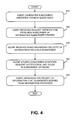
- FIG. 4 is a flowchart of processing for registering with an agent to receive customized bundles of information.
- FIG. 5 is a flowchart of processing for packaging and distributing information to subscribers.
- IP multicast coupled with multicast routing techniques, provides a powerful mechanism by which to distribute information to a very large number of subscribers from a single source.
- FIG. 1 is a diagram of an exemplary network 100 in which systems and methods consistent with the present invention may be implemented.
- the network 100 may include multiple subscribers 105 - 125 and multiple information providers 145 - 155 connected via networks 175 and 180 , respectively, to one or more agents 190 .
- the networks 175 and 180 may include the Internet, an intranet, a wide area network (WAN), a metropolitan area network (MAN), a local area network (LAN), a public telephone network, such as the public switched telephone network (PSTN), or a similar network.
- the networks 175 and 180 may comprise a single network or separate networks.
- the subscribers 105 - 125 may include any combination of personal computers, personal digital assistants (PDAs), laptops, mobile or portable telephones, and similar communication devices that request information supplied by one or more of the information providers 145 - 155 .
- the subscribers 105 - 125 may connect to the network 175 in several different ways, including wired, wireless, and optical connections.
- subscribers 105 and 110 connect to the network 175 via a LAN 130 ;
- subscriber 115 connects to the network 175 via a conventional gateway 135 ;
- subscriber 120 connects to the network 175 via a wired, wireless, or optical connection;
- subscriber 125 connects to the network 175 via a separate network 140 that may include the Internet, an intranet, a WAN, a LAN, etc.
- Five subscribers have been shown in FIG. 1 for simplicity. Additional subscribers may also be included in the network 100 .
- the information providers 145 - 155 may include servers, personal computers, laptops, or similar devices that supply information to whomever wants it and/or subscribes to the service.
- the information providers 145 - 155 may broadcast streams of information onto the network 180 .
- An information provider may include a news web site, such as NBC.com, that broadcasts streams of news information.
- the information providers 145 - 155 may transmit multicast messages containing information.
- the information providers 145 - 155 may receive requests for information according to any conventional protocol, such as the hyper text transfer protocol (HTTP), the simple mail transfer protocol (SMTP), the network virtual terminal protocol (Telnet), and the like.
- HTTP hyper text transfer protocol
- SMTP simple mail transfer protocol
- Telnet network virtual terminal protocol
- the information providers 145 - 155 may generate multicast messages that include the requested information, such as stock quotes, weather or sports reports, etc., and transmit them using conventional multicast routing techniques.
- One example of an information provider may include the web site Weather.com that provides up-to-date weather reports to its subscribers.
- the information providers 145 - 155 may connect to the network 180 in a number of different ways, including wired, wireless, and optical connections.
- information provider 145 connects to the network 180 via a conventional gateway 160 ;
- information provider 150 connects to the network 180 via a wired, wireless, or optical connection;
- information provider 155 connects to the network 180 via a separate network 170 that may include the Internet, an intranet, a WAN, a LAN, etc.
- Three information providers have been shown in FIG. 1 for simplicity. Additional information providers may also be included in the network 100 .
- the agent(s) 190 take requests from the subscribers 105 - 125 for supplying them with information supplied by the information providers 145 - 155 .
- FIG. 2 is an exemplary diagram of an agent 190 in one implementation consistent with the present invention.
- the agent 190 is a stand-alone device.
- the agent 190 may be a virtual entity whose functions are distributed over several devices or implemented as software within a single device, such as network router.
- the agent 190 may include a bus 210 , a processor 220 , a main memory 230 , a read only memory (ROM) 240 , a storage device 250 , an input device 260 , an output device 270 , and a communication interface 280 .
- the bus 210 permits communication among the components of the agent 190 .
- the processor 220 may include any type of conventional processor or microprocessor that interprets and executes instructions.
- the main memory 230 may include a random access memory (RAM) or another dynamic storage device that stores information and instructions for execution by the processor 220 .
- the ROM 240 may include a conventional ROM device or another type of static storage device that stores static information and instructions for use by the processor 220 .
- the storage device 250 may include a magnetic and/or optical recording medium and its corresponding drive.
- the input device 260 may include any conventional mechanism that permits an operator to input information to the agent 190 , such as a keyboard, a mouse, a pen, voice recognition and/or biometric mechanisms, etc.
- the output device 270 may include any conventional mechanism that outputs information to the operator, including a display, a printer, a pair of speakers, etc.
- the communication interface 280 may include any transceiver-like mechanism that enables the agent 190 to communicate with other devices and/or systems.
- the communication interface 280 may include mechanisms for communicating with another device or system via a network, such as networks 175 and 180 .
- an agent 190 repackages information from information providers into customized bundles and provides the bundles to subscribers in accordance with a set of rules using, for example, IP multicast routing techniques.
- the agent 190 performs these tasks in response to processor 220 executing sequences of instructions contained in, for example, memory 230 . These instructions may be read into memory 230 from another computer-readable medium, such as the storage device 250 , or from another device via the communication interface 280 .
- processor 220 executes the sequences of instructions contained in memory 230 to perform processes that will be described later.
- hardwired circuitry may be used in place of or in combination with software instructions to implement processes consistent with the present invention.
- the present invention is not limited to any specific combination of hardware circuitry and software.
- the agent 190 may store a subscriber database that controls packaging and distribution operations performed by the agent 190 .
- FIG. 3 is an exemplary diagram of a subscriber database 300 consistent with the present invention.
- the subscriber database 300 may physically reside in the storage device 250 or main memory 230 of the agent 190 or may be stored in an external memory device accessible by the agent 190 via the communication interface 280 .
- the subscriber database 300 may include multiple entries 310 , corresponding to multiple subscribers, and manager rules 320 .
- Each of the entries 310 may include a subscriber identifier field 312 , a requests field 314 , and a rules field 316 .
- the subscriber identifier field 312 may store a unique identifier for a particular subscriber or group of subscribers.
- the requests field 314 may store information that indicates the types of information that the subscriber(s) identified in the corresponding subscriber identifier field 312 desires.
- the requests field 314 may include, for example, requests for stock quotes, current weather conditions, sports scores, news headlines, etc.
- the requests may be general or specific in nature. For example, a subscriber might request stock quotes for GTE stock, weather conditions for Boston, NBA scores, and all news headlines concerning Fortune 500 companies.
- the rules field 316 may store rules that control the manner in which the agent 190 bundles and distributes the information it receives from the information providers.
- the rules might specify whether the subscriber wants the agent 190 to always complete a bundle or to fulfill partial orders (i.e., a bundle that includes a portion, but not all, of the information requested by the subscriber), the intervals at which the bundles must be released to subscriber, the form that the subscriber wants the bundle delivered (e.g., in text or audio format), etc.
- the manager rules 320 include rules established by an agent manager.
- the agent manager may be a person or system that establishes a set of “ground rules” for the agent 190 to help the agent 190 operate in an efficient and economical manner. These rules might specify whether to form unions and intersections of requests to generate bundles of optimal size that will satisfy the requests of several subscribers, and whether to generate bundles with less and/or more information than the subscribers request.
- FIG. 4 is a flowchart of processing for registering with an agent to receive customized bundles of information.
- agent 190 desires to register with an agent, such as agent 190
- the subscriber contacts the agent 190 in a conventional manner.
- the subscriber may access a web site of the agent 190 via a network, such as the Internet, contact the agent 190 via a data or voice connection, email the agent 190 , or establish contact with the agent 190 via other mechanisms.
- the agent 190 may generate a subscriber identifier for the new subscriber [step 410 ].
- the agent 190 may automatically generate a numeric or alphanumeric identifier for the subscriber or may permit the subscriber to provide an identifier.
- the agent 190 prompts the subscriber for the type(s) of information that the subscriber desires to receive. For example, the agent 190 may present the subscriber with a list of available information services and permit the subscriber to select from the list. Alternatively, the agent 190 may permit the subscriber to specify the information services that the subscriber desires without presenting the subscriber with a list. In any event, the agent 190 receives a request notification (i.e., a selection) from the subscriber indicating the information services that the subscriber desires [step 420 ].
- a request notification i.e., a selection
- the agent 190 prompts the subscriber for delivery rules that indicate the manner in which the subscriber wants the information delivered. For example, the subscriber might specify that the information must be delivered by 5:00 PM each day, whether the subscriber wants all of the information or will accept some of it, etc.
- the subscriber provides the rules to the agent 190 [step 430 ].
- the agent 190 then stores the subscriber identifier, request notification, and rules in the appropriate fields of an entry 310 in the subscriber database 300 [step 440 ].
- the agent 190 may identify the information provider that broadcasts the information and arrange to receive the broadcast stream [step 450 ]. Alternatively, the agent 190 may request delivery of the information from an information provider [step 450 ]. In this case, the agent 190 may obtain a multicast group identification (ID) address from the information provider for use by the agent 190 in receiving the information provided by the information provider. The agent 190 then begins listening for information from information providers using one or more multicast group ID addresses.
- ID multicast group identification
- FIG. 5 is a flowchart of processing for packaging and distributing information to subscribers.
- information providers transmit information, such as stock quotes, sports scores, etc., onto the network 180 [step 510 ].
- the information providers may transmit the information using broadcast or multicast techniques.
- Members of a multicast group are identified by a common multicast group ID address.
- the agent 190 listens for the broadcast streams and, using its multicast group ID addresses, the multicast messages to select the information its subscribers desire [step 520 ].
- the agent 190 packages the messages into customized bundles [step 530 ].
- the requests might indicate, for example, that a particular subscriber wants to receive stock quotes for GTE stock and sports scores relating to NBA games.
- the rules might dictate that the agent 190 form unions and intersections of subscriber requests to generate bundles of optimal size. These bundles might actually contain more or less information than desired by the particular subscribers. In the case where the bundles contain more information, software used by the subscribers may discard the extraneous information.
- the agent 190 distributes them to the subscribers [step 540 ].
- the agent 190 may use IP multicast techniques to distribute a bundle to all of the subscribers requesting the information.
- the subscriber receives the information, possibly using a multicast group ID address, discards any extraneous information, and provides the requested information to a user. For example, the subscriber may present the requested information to the user as scrolling text in a pop-up window on a display.
- Systems and methods consistent with the present invention improve the delivery of information from multiple sources by providing one or more agents that receive the information from the sources, package the information into customized bundles, and deliver the bundles according to a set of rules using multicast routing techniques.
- the agent 190 has been described as passively listening for multicast messages from information providers.
- the agent 190 actively gets the desired information by accessing web sites, for example, of the information providers.
- the subscribers subscribe to various information services provided by the information providers.
- the information providers provide the subscribers with multicast group ID addresses.
- the subscribers in turn provide the group ID addresses to the agent 190 .
- the agent 190 intercepts messages from the information providers intended for the subscribers and bundles the information for them.
Abstract
Description
Claims (33)
Priority Applications (6)
| Application Number | Priority Date | Filing Date | Title |
|---|---|---|---|
| US09/545,439 US6801936B1 (en) | 2000-04-07 | 2000-04-07 | Systems and methods for generating customized bundles of information |
| AU2001253309A AU2001253309A1 (en) | 2000-04-07 | 2001-04-09 | Systems and methods for packaging and distributing information |
| PCT/US2001/011608 WO2001077903A1 (en) | 2000-04-07 | 2001-04-09 | Systems and methods for packaging and distributing information |
| US10/929,146 US20050114884A1 (en) | 2000-04-07 | 2004-08-27 | Systems and methods for packaging and distributing information |
| US12/699,850 US8189503B2 (en) | 2000-04-07 | 2010-02-03 | Systems and methods for packaging and distributing information |
| US12/699,853 US8560640B2 (en) | 2000-04-07 | 2010-02-03 | Systems and methods for packaging and distributing information |
Applications Claiming Priority (1)
| Application Number | Priority Date | Filing Date | Title |
|---|---|---|---|
| US09/545,439 US6801936B1 (en) | 2000-04-07 | 2000-04-07 | Systems and methods for generating customized bundles of information |
Related Child Applications (1)
| Application Number | Title | Priority Date | Filing Date |
|---|---|---|---|
| US10/929,146 Continuation US20050114884A1 (en) | 2000-04-07 | 2004-08-27 | Systems and methods for packaging and distributing information |
Publications (1)
| Publication Number | Publication Date |
|---|---|
| US6801936B1 true US6801936B1 (en) | 2004-10-05 |
Family
ID=24176252
Family Applications (4)
| Application Number | Title | Priority Date | Filing Date |
|---|---|---|---|
| US09/545,439 Expired - Lifetime US6801936B1 (en) | 2000-04-07 | 2000-04-07 | Systems and methods for generating customized bundles of information |
| US10/929,146 Abandoned US20050114884A1 (en) | 2000-04-07 | 2004-08-27 | Systems and methods for packaging and distributing information |
| US12/699,853 Expired - Fee Related US8560640B2 (en) | 2000-04-07 | 2010-02-03 | Systems and methods for packaging and distributing information |
| US12/699,850 Expired - Lifetime US8189503B2 (en) | 2000-04-07 | 2010-02-03 | Systems and methods for packaging and distributing information |
Family Applications After (3)
| Application Number | Title | Priority Date | Filing Date |
|---|---|---|---|
| US10/929,146 Abandoned US20050114884A1 (en) | 2000-04-07 | 2004-08-27 | Systems and methods for packaging and distributing information |
| US12/699,853 Expired - Fee Related US8560640B2 (en) | 2000-04-07 | 2010-02-03 | Systems and methods for packaging and distributing information |
| US12/699,850 Expired - Lifetime US8189503B2 (en) | 2000-04-07 | 2010-02-03 | Systems and methods for packaging and distributing information |
Country Status (3)
| Country | Link |
|---|---|
| US (4) | US6801936B1 (en) |
| AU (1) | AU2001253309A1 (en) |
| WO (1) | WO2001077903A1 (en) |
Cited By (34)
| Publication number | Priority date | Publication date | Assignee | Title |
|---|---|---|---|---|
| US20020059397A1 (en) * | 2000-11-13 | 2002-05-16 | The Belo Company, | Content operating system |
| US20020073034A1 (en) * | 2000-12-06 | 2002-06-13 | The Belo Company | Method and system for operating online classified advertisements |
| US20020129372A1 (en) * | 2000-05-01 | 2002-09-12 | Footer Derek P. | System for obtaining data regarding customer use of interactive television |
| US20020147769A1 (en) * | 2001-04-10 | 2002-10-10 | Gutman Levitan | Method and system for pseudo-interactive internet access |
| US20020188950A1 (en) * | 2000-05-01 | 2002-12-12 | Hughes Electronics Corporation | Low speed data port for data transactions and information |
| US20020194305A1 (en) * | 2001-06-18 | 2002-12-19 | Infineon Technologies North America Corp. | Systems and methods to facilitate a distribution of information via a dynamically loadable component |
| US20030005465A1 (en) * | 2001-06-15 | 2003-01-02 | Connelly Jay H. | Method and apparatus to send feedback from clients to a server in a content distribution broadcast system |
| US20030005455A1 (en) * | 2001-06-29 | 2003-01-02 | Bowers J. Rob | Aggregation of streaming media to improve network performance |
| US20030023738A1 (en) * | 2001-07-27 | 2003-01-30 | International Business Machines Corporation | Enhanced multicast-based web server |
| US20030021166A1 (en) * | 2001-07-26 | 2003-01-30 | Soloff Steven M. | Method for real-time insertion of auxiliary data packets into DSS bitstream in the presence of one or more service channels |
| US20030041060A1 (en) * | 2001-08-13 | 2003-02-27 | Hughes Electronics Corporation | Proactive internet searching tool |
| US20030135857A1 (en) * | 2002-01-11 | 2003-07-17 | Ramesh Pendakur | Content discovery in a digital broadcast data service |
| US20030144849A1 (en) * | 2001-12-14 | 2003-07-31 | Kakivaya Gopalakrishna Reddy | System and method for generalized and distributed scalable eventing system |
| US20040015536A1 (en) * | 2002-06-17 | 2004-01-22 | Microsoft Corporation | Multicast system and method for deploying multiple images simultaneously |
| US20040122902A1 (en) * | 2002-12-19 | 2004-06-24 | Anderson Todd A. | Method, apparatus and system for processing message bundles on a network |
| US20040119815A1 (en) * | 2000-11-08 | 2004-06-24 | Hughes Electronics Corporation | Simplified interactive user interface for multi-video channel navigation |
| US20040194143A1 (en) * | 2003-03-24 | 2004-09-30 | Tomonori Hirose | Video selection server, video delivery system, and video selection method |
| US6883014B1 (en) * | 2000-10-19 | 2005-04-19 | Amacis Limited | Electronic message distribution |
| US20050144564A1 (en) * | 2003-12-26 | 2005-06-30 | Samsung Electronics Co., Ltd | Device and method for adding header or footer to text message on a mobile terminal |
| US20050195805A1 (en) * | 2004-03-08 | 2005-09-08 | Iwatsu Electric Co., Ltd. | Traffic distribuiton method and traffic distribution system of IP key telephone |
| US7024462B1 (en) | 2000-10-20 | 2006-04-04 | Amacis Limited | Electronic message routing |
| US20080098125A1 (en) * | 2000-11-22 | 2008-04-24 | Wang Baldonado Michelle Q | System and method for managing digests comprising electronic messages |
| US20080120432A1 (en) * | 2000-10-25 | 2008-05-22 | Thomson Financial Inc. | Electronic commerce infrastructure system |
| US20090019124A1 (en) * | 2003-03-06 | 2009-01-15 | International Business Machines Corporation | Publish/Subscribe Messaging |
| US7590681B1 (en) * | 2000-08-07 | 2009-09-15 | Trimble Navigation Limited | Method and system for managing and delivering web content to internet appliances |
| US7599938B1 (en) | 2003-07-11 | 2009-10-06 | Harrison Jr Shelton E | Social news gathering, prioritizing, tagging, searching, and syndication method |
| US7603415B1 (en) | 2000-08-15 | 2009-10-13 | ART Technology Group | Classification of electronic messages using a hierarchy of rule sets |
| US20090303995A1 (en) * | 2006-05-09 | 2009-12-10 | Philippe Boutteloup | Methods of broadcastng and receiving scrambled multimedia programs, a terminal and a network head end for said methods |
| US20110093337A1 (en) * | 2008-06-26 | 2011-04-21 | Yoram Granit | Methods and system for providing viewing recommendations |
| US20110106938A1 (en) * | 2009-11-04 | 2011-05-05 | International Business Machines Corporation | Multi-Level Offload of Model-Based Adaptive Monitoring for Systems Management |
| US7962573B2 (en) | 2000-03-21 | 2011-06-14 | Intel Corporation | Method and apparatus to determine broadcast content and scheduling in a broadcast system |
| US20110191682A1 (en) * | 2006-12-28 | 2011-08-04 | Rossman Michael D | Communicator program manger |
| US8943540B2 (en) | 2001-09-28 | 2015-01-27 | Intel Corporation | Method and apparatus to provide a personalized channel |
| US10521853B2 (en) | 2000-10-25 | 2019-12-31 | Refinitiv Us Organization Llc | Electronic sales system |
Families Citing this family (16)
| Publication number | Priority date | Publication date | Assignee | Title |
|---|---|---|---|---|
| JP2003005947A (en) * | 2001-06-25 | 2003-01-10 | Toshiba Corp | Server device, portable terminal, contents distributing method, contents receiving method and its program |
| US7321887B2 (en) | 2002-09-30 | 2008-01-22 | Sap Aktiengesellschaft | Enriching information streams with contextual content |
| US7200801B2 (en) | 2002-05-17 | 2007-04-03 | Sap Aktiengesellschaft | Rich media information portals |
| US7370276B2 (en) | 2002-05-17 | 2008-05-06 | Sap Aktiengesellschaft | Interface for collecting user preferences |
| US7305436B2 (en) | 2002-05-17 | 2007-12-04 | Sap Aktiengesellschaft | User collaboration through discussion forums |
| US7127473B2 (en) | 2002-05-17 | 2006-10-24 | Sap Aktiengesellschaft | Methods and systems for providing supplemental contextual content |
| US7346668B2 (en) | 2002-05-17 | 2008-03-18 | Sap Aktiengesellschaft | Dynamic presentation of personalized content |
| US8302012B2 (en) | 2002-12-02 | 2012-10-30 | Sap Aktiengesellschaft | Providing status of portal content |
| US8028237B2 (en) | 2002-12-02 | 2011-09-27 | Sap Aktiengesellschaft | Portal-based desktop |
| IL159838A0 (en) * | 2004-01-13 | 2004-06-20 | Yehuda Binder | Information device |
| GB2428828A (en) * | 2005-07-30 | 2007-02-07 | Ibm | Publish/subscribe messaging system |
| CN1852106A (en) | 2005-09-30 | 2006-10-25 | 华为技术有限公司 | Dynamic content transmitting method and dynamic content transmission server |
| US20080088735A1 (en) * | 2006-09-29 | 2008-04-17 | Bryan Biniak | Social media platform and method |
| WO2009118045A1 (en) * | 2008-03-27 | 2009-10-01 | Telefonaktiebolaget Lm Ericsson (Publ) | Methods and apparatuses for providing services |
| US8548465B2 (en) * | 2010-04-23 | 2013-10-01 | Apple Inc. | Methods and apparatus for providing dynamic information in a wireless information channel |
| WO2014023327A1 (en) * | 2012-08-06 | 2014-02-13 | Telefonaktiebolaget L M Ericsson (Publ) | Dynamic content filtering of data traffic in a communication network |
Citations (26)
| Publication number | Priority date | Publication date | Assignee | Title |
|---|---|---|---|---|
| US5673430A (en) * | 1995-10-13 | 1997-09-30 | At&T | System and method for optimizing subscriber programming preferences |
| WO1997048051A1 (en) * | 1996-06-13 | 1997-12-18 | Vdonet Corporation Ltd. | Ip multicast data distribution system with guaranteed quality of service |
| US5758257A (en) * | 1994-11-29 | 1998-05-26 | Herz; Frederick | System and method for scheduling broadcast of and access to video programs and other data using customer profiles |
| US5819284A (en) * | 1995-03-24 | 1998-10-06 | At&T Corp. | Personalized real time information display as a portion of a screen saver |
| US5838912A (en) * | 1996-09-04 | 1998-11-17 | International Business Machines Corporation | Distribution of digitally encoded presentations |
| US5838252A (en) * | 1996-09-09 | 1998-11-17 | Datalink Systems, Inc. | Interactive two-way pager systems |
| US5893091A (en) * | 1997-04-11 | 1999-04-06 | Immediata Corporation | Multicasting with key words |
| US5936547A (en) * | 1997-07-15 | 1999-08-10 | Ameritech Corporation | System and method for providing user-selected information to a paging-capable device |
| US5974447A (en) * | 1996-07-17 | 1999-10-26 | Motorola, Inc. | Method and system for coupling a selective call receiver to widely distributed information sources |
| US6021433A (en) * | 1996-01-26 | 2000-02-01 | Wireless Internet, Inc. | System and method for transmission of data |
| US6029195A (en) | 1994-11-29 | 2000-02-22 | Herz; Frederick S. M. | System for customized electronic identification of desirable objects |
| US6202062B1 (en) | 1999-02-26 | 2001-03-13 | Ac Properties B.V. | System, method and article of manufacture for creating a filtered information summary based on multiple profiles of each single user |
| US6230205B1 (en) * | 1998-01-15 | 2001-05-08 | Mci Communications Corporation | Method and apparatus for managing delivery of multimedia content in a communications system |
| US6236991B1 (en) * | 1997-11-26 | 2001-05-22 | International Business Machines Corp. | Method and system for providing access for categorized information from online internet and intranet sources |
| US6237022B1 (en) * | 1999-03-15 | 2001-05-22 | Webtv Networks, Inc. | System and method for distributing preferenced data over a communications network |
| US6243757B1 (en) * | 1999-01-11 | 2001-06-05 | Enuntio, Inc. | Automated information filtering and distribution system |
| US20010003882A1 (en) * | 1984-05-22 | 2001-06-21 | Weder Donald E. | Mountable and demountable wrapping material and method for use |
| US6308175B1 (en) * | 1996-04-04 | 2001-10-23 | Lycos, Inc. | Integrated collaborative/content-based filter structure employing selectively shared, content-based profile data to evaluate information entities in a massive information network |
| US20010034658A1 (en) * | 2000-02-23 | 2001-10-25 | Silva Juliana Freire | Applications of executable shopping lists |
| US6317783B1 (en) * | 1998-10-28 | 2001-11-13 | Verticalone Corporation | Apparatus and methods for automated aggregation and delivery of and transactions involving electronic personal information or data |
| US6359902B1 (en) * | 1998-08-18 | 2002-03-19 | Intel Corporation | System for translation and delivery of multimedia streams |
| US6442598B1 (en) * | 1997-10-27 | 2002-08-27 | Microsoft Corporation | System and method for delivering web content over a broadcast medium |
| US6486892B1 (en) * | 1999-04-07 | 2002-11-26 | Joseph L. Stern | System and method for accessing, manipulating and viewing internet and non-internet related information and for controlling networked devices |
| US6546488B2 (en) * | 1997-09-22 | 2003-04-08 | Hughes Electronics Corporation | Broadcast delivery of information to a personal computer for local storage and access |
| US6594692B1 (en) * | 1994-05-31 | 2003-07-15 | Richard R. Reisman | Methods for transacting electronic commerce |
| US6594682B2 (en) * | 1997-10-28 | 2003-07-15 | Microsoft Corporation | Client-side system for scheduling delivery of web content and locally managing the web content |
Family Cites Families (17)
| Publication number | Priority date | Publication date | Assignee | Title |
|---|---|---|---|---|
| CH550521A (en) * | 1972-07-04 | 1974-06-14 | Hasler Ag | PROCEDURE FOR MESSAGE TRANSFER BETWEEN PARTICIPANTS. |
| US4090035A (en) * | 1975-12-17 | 1978-05-16 | Martin Marietta Corporation | Line access module |
| US4199663A (en) * | 1978-11-06 | 1980-04-22 | The Boeing Company | Autonomous terminal data communications system |
| US4471481A (en) * | 1981-02-11 | 1984-09-11 | The Boeing Company | Autonomous terminal data communications system |
| DE3218146A1 (en) | 1982-05-14 | 1983-11-24 | Martin, Helmut, Dr.-Ing., 3000 Hannover | LOCAL NETWORK FOR HIGH TRANSMISSION RATES |
| JPS5954347A (en) * | 1982-09-22 | 1984-03-29 | Fujitsu Ltd | System for adjusting timing of channel insertion |
| US4698804A (en) * | 1985-01-22 | 1987-10-06 | Telephone And Telegraph Company, At&T Bell Labs | Shared data transmission system |
| US4727370A (en) * | 1985-12-17 | 1988-02-23 | Ampex Corporation | Method and system for synchronous handshake generation |
| DK155265C (en) * | 1986-06-09 | 1989-07-31 | Rovsing As Christian | PROCEDURE FOR CONNECTING A DATA UNIT ON A SIGNAL PIPE AND APPARATUS FOR EXERCISING THE PROCEDURE |
| US6807632B1 (en) * | 1999-01-21 | 2004-10-19 | Emc Corporation | Content addressable information encapsulation, representation, and transfer |
| EP0950463B1 (en) * | 1998-03-23 | 2002-01-23 | Alstom | Non-circular cooling hole and method of manufacturing the same |
| US6405204B1 (en) * | 1999-03-02 | 2002-06-11 | Sector Data, Llc | Alerts by sector/news alerts |
| US6801946B1 (en) * | 2000-06-15 | 2004-10-05 | International Business Machines Corporation | Open architecture global sign-on apparatus and method therefor |
| US20030115319A1 (en) * | 2001-12-17 | 2003-06-19 | Dawson Jeffrey L. | Network paths |
| US6745333B1 (en) * | 2002-01-31 | 2004-06-01 | 3Com Corporation | Method for detecting unauthorized network access by having a NIC monitor for packets purporting to be from itself |
| US7487541B2 (en) * | 2003-12-10 | 2009-02-03 | Alcatel Lucent | Flow-based method for tracking back single packets |
| US7523167B2 (en) * | 2004-01-16 | 2009-04-21 | Zdirect, Inc. | Systems and methods for optimizing dynamic mailings |
-
2000
- 2000-04-07 US US09/545,439 patent/US6801936B1/en not_active Expired - Lifetime
-
2001
- 2001-04-09 AU AU2001253309A patent/AU2001253309A1/en not_active Abandoned
- 2001-04-09 WO PCT/US2001/011608 patent/WO2001077903A1/en active Search and Examination
-
2004
- 2004-08-27 US US10/929,146 patent/US20050114884A1/en not_active Abandoned
-
2010
- 2010-02-03 US US12/699,853 patent/US8560640B2/en not_active Expired - Fee Related
- 2010-02-03 US US12/699,850 patent/US8189503B2/en not_active Expired - Lifetime
Patent Citations (27)
| Publication number | Priority date | Publication date | Assignee | Title |
|---|---|---|---|---|
| US20010003882A1 (en) * | 1984-05-22 | 2001-06-21 | Weder Donald E. | Mountable and demountable wrapping material and method for use |
| US6594692B1 (en) * | 1994-05-31 | 2003-07-15 | Richard R. Reisman | Methods for transacting electronic commerce |
| US6088722A (en) * | 1994-11-29 | 2000-07-11 | Herz; Frederick | System and method for scheduling broadcast of and access to video programs and other data using customer profiles |
| US5758257A (en) * | 1994-11-29 | 1998-05-26 | Herz; Frederick | System and method for scheduling broadcast of and access to video programs and other data using customer profiles |
| US6029195A (en) | 1994-11-29 | 2000-02-22 | Herz; Frederick S. M. | System for customized electronic identification of desirable objects |
| US5819284A (en) * | 1995-03-24 | 1998-10-06 | At&T Corp. | Personalized real time information display as a portion of a screen saver |
| US5673430A (en) * | 1995-10-13 | 1997-09-30 | At&T | System and method for optimizing subscriber programming preferences |
| US6021433A (en) * | 1996-01-26 | 2000-02-01 | Wireless Internet, Inc. | System and method for transmission of data |
| US6308175B1 (en) * | 1996-04-04 | 2001-10-23 | Lycos, Inc. | Integrated collaborative/content-based filter structure employing selectively shared, content-based profile data to evaluate information entities in a massive information network |
| WO1997048051A1 (en) * | 1996-06-13 | 1997-12-18 | Vdonet Corporation Ltd. | Ip multicast data distribution system with guaranteed quality of service |
| US5974447A (en) * | 1996-07-17 | 1999-10-26 | Motorola, Inc. | Method and system for coupling a selective call receiver to widely distributed information sources |
| US5838912A (en) * | 1996-09-04 | 1998-11-17 | International Business Machines Corporation | Distribution of digitally encoded presentations |
| US5838252A (en) * | 1996-09-09 | 1998-11-17 | Datalink Systems, Inc. | Interactive two-way pager systems |
| US5893091A (en) * | 1997-04-11 | 1999-04-06 | Immediata Corporation | Multicasting with key words |
| US5936547A (en) * | 1997-07-15 | 1999-08-10 | Ameritech Corporation | System and method for providing user-selected information to a paging-capable device |
| US6546488B2 (en) * | 1997-09-22 | 2003-04-08 | Hughes Electronics Corporation | Broadcast delivery of information to a personal computer for local storage and access |
| US6442598B1 (en) * | 1997-10-27 | 2002-08-27 | Microsoft Corporation | System and method for delivering web content over a broadcast medium |
| US6594682B2 (en) * | 1997-10-28 | 2003-07-15 | Microsoft Corporation | Client-side system for scheduling delivery of web content and locally managing the web content |
| US6236991B1 (en) * | 1997-11-26 | 2001-05-22 | International Business Machines Corp. | Method and system for providing access for categorized information from online internet and intranet sources |
| US6230205B1 (en) * | 1998-01-15 | 2001-05-08 | Mci Communications Corporation | Method and apparatus for managing delivery of multimedia content in a communications system |
| US6359902B1 (en) * | 1998-08-18 | 2002-03-19 | Intel Corporation | System for translation and delivery of multimedia streams |
| US6317783B1 (en) * | 1998-10-28 | 2001-11-13 | Verticalone Corporation | Apparatus and methods for automated aggregation and delivery of and transactions involving electronic personal information or data |
| US6243757B1 (en) * | 1999-01-11 | 2001-06-05 | Enuntio, Inc. | Automated information filtering and distribution system |
| US6202062B1 (en) | 1999-02-26 | 2001-03-13 | Ac Properties B.V. | System, method and article of manufacture for creating a filtered information summary based on multiple profiles of each single user |
| US6237022B1 (en) * | 1999-03-15 | 2001-05-22 | Webtv Networks, Inc. | System and method for distributing preferenced data over a communications network |
| US6486892B1 (en) * | 1999-04-07 | 2002-11-26 | Joseph L. Stern | System and method for accessing, manipulating and viewing internet and non-internet related information and for controlling networked devices |
| US20010034658A1 (en) * | 2000-02-23 | 2001-10-25 | Silva Juliana Freire | Applications of executable shopping lists |
Non-Patent Citations (10)
| Title |
|---|
| Aether Technologies, "Enterprise Data Wireless Center," Feb. 1999, 15 pages. |
| Aether, "Mobeo Products," www.mobeo.com/product.html, Jan. 28, 2000 (print date), 3 pages. |
| Baynetworks, "Exploiting Internetwork Multicast Services," www.baynetworks.com/products/reports/multicast.html, Jul. 29,1999 (print date), 22 pages. |
| EntryPoint, "EntryPoint: The Internet Toolbar that really delivers," www.entrypoint.com, Jan. 26, 2000 (print date), 4 pages. |
| Netscape, "Netcenter," www.netcenter.com, Jan. 26, 2000 (print date), 2 pages. |
| PointCast, "Enterprise Solutions," pioneer.pointcast.com/products/iserver, Jan. 26, 2000 (print date), 4 pages. |
| R. Ramanathan, "RFC2102," www.faqs.org/rfcs/rfc2122.html, Feb. 1997, 16 pages. |
| StarBurst Communications, "StarBurst Allowed Patent Application on Multicast Technology that has Potential to Break Looming Internet Logjam," www.starburstcom.com/prpatent.htm, Jul. 29, 1996, 3 pages. |
| WebCanal White Paper, Global Information Broadcast, Dec. 31, 1997, from http://webcanal.inria.fr/white/, pp. 1-9.* * |
| WebCanal, "Global Information Broadcast," monet.inria.fr/white/index.html, Dec. 31, 1997, 9 pages. |
Cited By (65)
| Publication number | Priority date | Publication date | Assignee | Title |
|---|---|---|---|---|
| US7962573B2 (en) | 2000-03-21 | 2011-06-14 | Intel Corporation | Method and apparatus to determine broadcast content and scheduling in a broadcast system |
| US8839298B2 (en) | 2000-03-21 | 2014-09-16 | Intel Corporation | Method and apparatus to determine broadcast content and scheduling in a broadcast system |
| US8108542B2 (en) | 2000-03-21 | 2012-01-31 | Intel Corporation | Method and apparatus to determine broadcast content and scheduling in a broadcast system |
| US7360231B2 (en) * | 2000-05-01 | 2008-04-15 | The Directv Group, Inc. | System for obtaining data regarding customer use of interactive television |
| US20020129372A1 (en) * | 2000-05-01 | 2002-09-12 | Footer Derek P. | System for obtaining data regarding customer use of interactive television |
| US20080155584A1 (en) * | 2000-05-01 | 2008-06-26 | Footer Derek P | System for obtaining data regarding customer use of interactive television |
| US20020188950A1 (en) * | 2000-05-01 | 2002-12-12 | Hughes Electronics Corporation | Low speed data port for data transactions and information |
| US7793324B2 (en) | 2000-05-01 | 2010-09-07 | The Directv Group, Inc. | System for obtaining data regarding customer use of interactive television |
| US7590681B1 (en) * | 2000-08-07 | 2009-09-15 | Trimble Navigation Limited | Method and system for managing and delivering web content to internet appliances |
| US7603415B1 (en) | 2000-08-15 | 2009-10-13 | ART Technology Group | Classification of electronic messages using a hierarchy of rule sets |
| US6883014B1 (en) * | 2000-10-19 | 2005-04-19 | Amacis Limited | Electronic message distribution |
| US7024462B1 (en) | 2000-10-20 | 2006-04-04 | Amacis Limited | Electronic message routing |
| US8010412B2 (en) * | 2000-10-25 | 2011-08-30 | Thomson Fincancial | Electronic commerce infrastructure system |
| US20120110053A1 (en) * | 2000-10-25 | 2012-05-03 | Thomson Financial Llc | Electronic commerce infrastructure system |
| US9213988B2 (en) * | 2000-10-25 | 2015-12-15 | Thomson Reuters Global Resources | Electronic commerce infrastructure system |
| US20080120432A1 (en) * | 2000-10-25 | 2008-05-22 | Thomson Financial Inc. | Electronic commerce infrastructure system |
| US10521853B2 (en) | 2000-10-25 | 2019-12-31 | Refinitiv Us Organization Llc | Electronic sales system |
| US20040119815A1 (en) * | 2000-11-08 | 2004-06-24 | Hughes Electronics Corporation | Simplified interactive user interface for multi-video channel navigation |
| US8752105B2 (en) | 2000-11-08 | 2014-06-10 | The Directv Group, Inc. | Simplified interactive user interface for multi-video channel navigation |
| US20020059397A1 (en) * | 2000-11-13 | 2002-05-16 | The Belo Company, | Content operating system |
| US8539030B2 (en) * | 2000-11-22 | 2013-09-17 | Xerox Corporation | System and method for managing digests comprising electronic messages |
| US20080098125A1 (en) * | 2000-11-22 | 2008-04-24 | Wang Baldonado Michelle Q | System and method for managing digests comprising electronic messages |
| US20020073034A1 (en) * | 2000-12-06 | 2002-06-13 | The Belo Company | Method and system for operating online classified advertisements |
| US7062466B2 (en) | 2000-12-06 | 2006-06-13 | The Belo Company | Method and system for operating online classified advertisements |
| US6965913B2 (en) * | 2001-04-10 | 2005-11-15 | Virtel Corporation | System for pseudo-interactive internet access |
| US20020147769A1 (en) * | 2001-04-10 | 2002-10-10 | Gutman Levitan | Method and system for pseudo-interactive internet access |
| US20030005465A1 (en) * | 2001-06-15 | 2003-01-02 | Connelly Jay H. | Method and apparatus to send feedback from clients to a server in a content distribution broadcast system |
| US6976086B2 (en) * | 2001-06-18 | 2005-12-13 | Siemens Business Services, Llc | Systems and methods to facilitate a distribution of information via a dynamically loadable component |
| US20020194305A1 (en) * | 2001-06-18 | 2002-12-19 | Infineon Technologies North America Corp. | Systems and methods to facilitate a distribution of information via a dynamically loadable component |
| US20030005455A1 (en) * | 2001-06-29 | 2003-01-02 | Bowers J. Rob | Aggregation of streaming media to improve network performance |
| US20030021166A1 (en) * | 2001-07-26 | 2003-01-30 | Soloff Steven M. | Method for real-time insertion of auxiliary data packets into DSS bitstream in the presence of one or more service channels |
| US7154916B2 (en) | 2001-07-26 | 2006-12-26 | The Directv Group, Inc. | Method for real-time insertion of auxiliary data packets into DSS bitstream in the presence of one or more service channels |
| US6981032B2 (en) * | 2001-07-27 | 2005-12-27 | International Business Machines Corporation | Enhanced multicast-based web server |
| US20030023738A1 (en) * | 2001-07-27 | 2003-01-30 | International Business Machines Corporation | Enhanced multicast-based web server |
| US20030041060A1 (en) * | 2001-08-13 | 2003-02-27 | Hughes Electronics Corporation | Proactive internet searching tool |
| US6996564B2 (en) | 2001-08-13 | 2006-02-07 | The Directv Group, Inc. | Proactive internet searching tool |
| US8943540B2 (en) | 2001-09-28 | 2015-01-27 | Intel Corporation | Method and apparatus to provide a personalized channel |
| US20030144849A1 (en) * | 2001-12-14 | 2003-07-31 | Kakivaya Gopalakrishna Reddy | System and method for generalized and distributed scalable eventing system |
| US7668908B2 (en) * | 2001-12-14 | 2010-02-23 | Microsoft Corporation | System and method for generalized and distributed scalable eventing system |
| US20030135857A1 (en) * | 2002-01-11 | 2003-07-17 | Ramesh Pendakur | Content discovery in a digital broadcast data service |
| US20040015536A1 (en) * | 2002-06-17 | 2004-01-22 | Microsoft Corporation | Multicast system and method for deploying multiple images simultaneously |
| US7464176B2 (en) * | 2002-06-17 | 2008-12-09 | Microsoft Corporation | Multicast system and method for deploying multiple images simultaneously |
| US7346669B2 (en) * | 2002-12-19 | 2008-03-18 | Intel Corporation | Method, apparatus and system for processing message bundles on a network |
| US20060265465A1 (en) * | 2002-12-19 | 2006-11-23 | Anderson Todd A | Method, apparatus and system for processing message bundles on a network |
| US20040122902A1 (en) * | 2002-12-19 | 2004-06-24 | Anderson Todd A. | Method, apparatus and system for processing message bundles on a network |
| US7461128B2 (en) * | 2002-12-19 | 2008-12-02 | Intel Corporation | Method, apparatus and system for processing message bundles on a network |
| US8065372B2 (en) * | 2003-03-06 | 2011-11-22 | International Business Machines Corporation | Publish/subscribe messaging |
| US20090019124A1 (en) * | 2003-03-06 | 2009-01-15 | International Business Machines Corporation | Publish/Subscribe Messaging |
| US20040194143A1 (en) * | 2003-03-24 | 2004-09-30 | Tomonori Hirose | Video selection server, video delivery system, and video selection method |
| US8620828B1 (en) | 2003-07-11 | 2013-12-31 | Search And Social Media Partners Llc | Social networking system, method and device |
| US8554571B1 (en) | 2003-07-11 | 2013-10-08 | Search And Social Media Partners Llc | Fundraising system, method and device for charitable causes in a social network environment |
| US8583448B1 (en) | 2003-07-11 | 2013-11-12 | Search And Social Media Partners Llc | Method and system for verifying websites and providing enhanced search engine services |
| US8719176B1 (en) | 2003-07-11 | 2014-05-06 | Search And Social Media Partners Llc | Social news gathering, prioritizing, tagging, searching and syndication |
| US7599938B1 (en) | 2003-07-11 | 2009-10-06 | Harrison Jr Shelton E | Social news gathering, prioritizing, tagging, searching, and syndication method |
| US20050144564A1 (en) * | 2003-12-26 | 2005-06-30 | Samsung Electronics Co., Ltd | Device and method for adding header or footer to text message on a mobile terminal |
| US20050195805A1 (en) * | 2004-03-08 | 2005-09-08 | Iwatsu Electric Co., Ltd. | Traffic distribuiton method and traffic distribution system of IP key telephone |
| KR101459351B1 (en) | 2006-05-09 | 2014-11-07 | 비악세스 | Methods of broadcasting and receiving scrambled multimedia programmes, terminal and network headend for said methods |
| TWI412243B (en) * | 2006-05-09 | 2013-10-11 | Viaccess Sa | Methods of broadcasting and receiving scrambled multimedia programs, terminal and a network head for these methods |
| US7995577B2 (en) * | 2006-05-09 | 2011-08-09 | Viaccess | Methods of broadcastng and receiving scrambled multimedia programs, a terminal and a network head end for said methods |
| US20090303995A1 (en) * | 2006-05-09 | 2009-12-10 | Philippe Boutteloup | Methods of broadcastng and receiving scrambled multimedia programs, a terminal and a network head end for said methods |
| US20110191682A1 (en) * | 2006-12-28 | 2011-08-04 | Rossman Michael D | Communicator program manger |
| US20110107381A1 (en) * | 2008-06-26 | 2011-05-05 | Honeybee Tv Israel Ltd. | Methods and systems for managing viewing at client terminals |
| US20110093337A1 (en) * | 2008-06-26 | 2011-04-21 | Yoram Granit | Methods and system for providing viewing recommendations |
| US8838779B2 (en) | 2009-11-04 | 2014-09-16 | International Business Machines Corporation | Multi-level offload of model-based adaptive monitoring for systems management |
| US20110106938A1 (en) * | 2009-11-04 | 2011-05-05 | International Business Machines Corporation | Multi-Level Offload of Model-Based Adaptive Monitoring for Systems Management |
Also Published As
| Publication number | Publication date |
|---|---|
| US20050114884A1 (en) | 2005-05-26 |
| WO2001077903A1 (en) | 2001-10-18 |
| AU2001253309A1 (en) | 2001-10-23 |
| US8189503B2 (en) | 2012-05-29 |
| US20100150156A1 (en) | 2010-06-17 |
| US8560640B2 (en) | 2013-10-15 |
| US20100150050A1 (en) | 2010-06-17 |
Similar Documents
| Publication | Publication Date | Title |
|---|---|---|
| US6801936B1 (en) | Systems and methods for generating customized bundles of information | |
| US6434622B1 (en) | Multicasting method and apparatus | |
| US20020198937A1 (en) | Content-request redirection method and system | |
| US9124607B2 (en) | Methods and systems for playing media | |
| US7941488B2 (en) | Authorizing message publication to a group of subscribing clients via a publish/subscribe service | |
| US20060136298A1 (en) | Methods and apparatus for contextual advertisements in an online conversation thread | |
| RU2482539C2 (en) | System and method of sending information over mobile communication network | |
| US20010032258A1 (en) | System for internet connections, system for providing internet user information, method for providing internet user preference information, and method for distributing digital contents using the internet | |
| CN1433622A (en) | Systems and methods for redirecting users attempting to access network site | |
| WO1997042582A9 (en) | Multicasting method and apparatus | |
| KR20040018392A (en) | Method and apparatus for obtaining data information | |
| WO2001093138A1 (en) | Method and system for distributing advertisements over network | |
| JP2003533834A (en) | Transmission of targeted messages to end-user terminals connected to service nodes in a communication network | |
| KR20070024515A (en) | Access system and access method | |
| CA2325787C (en) | Method for providing summary information about recipients of ip multicast sessions | |
| JP2005070884A (en) | Accounting policy generation device, metadata delivery server, fee-based ifnormation delivery server, fee-based information delivery system, accounting policy generation method, and fee-based information accounting method | |
| JP2003308035A (en) | Interactive advertising apparatus, and program therefor | |
| KR20090054069A (en) | Method and apparatus for transmitting and receiving advertisement contents in personal terminal of mobile telecommunication system according to user preference | |
| JP2003044391A (en) | Information distributing system and information collecting method | |
| CA2434698C (en) | Multicasting method and apparatus | |
| CN101291281A (en) | System, method and terminal for notifying message acquisition, and network side entity | |
| CA2614654C (en) | Methods and systems for playing media | |
| GB2422993A (en) | Handling unsolicited content at a communications terminal | |
| KR20000037431A (en) | Method of real time advertising on internet | |
| US20020143889A1 (en) | Utilization of equipment displays for communication of information unrelated to operation of the equipment |
Legal Events
| Date | Code | Title | Description |
|---|---|---|---|
| AS | Assignment |
Owner name: GTE INTERNETWORKING INCORPORATED, MASSACHUSETTS Free format text: ASSIGNMENT OF ASSIGNORS INTEREST;ASSIGNOR:DIWAN, ARIF;REEL/FRAME:010708/0717 Effective date: 20000402 |
|
| AS | Assignment |
Owner name: GENUITY INC., MASSACHUSETTS Free format text: CHANGE OF NAME;ASSIGNOR:GTE INTERNETWORKING INCORPORATED;REEL/FRAME:013419/0126 Effective date: 20000406 |
|
| STCF | Information on status: patent grant |
Free format text: PATENTED CASE |
|
| CC | Certificate of correction | ||
| AS | Assignment |
Owner name: BBN TECHNOLOGIES CORP., MASSACHUSETTS Free format text: MERGER;ASSIGNOR:BBNT SOLUTIONS LLC;REEL/FRAME:017262/0680 Effective date: 20060103 |
|
| FEPP | Fee payment procedure |
Free format text: PAYOR NUMBER ASSIGNED (ORIGINAL EVENT CODE: ASPN); ENTITY STATUS OF PATENT OWNER: LARGE ENTITY |
|
| FPAY | Fee payment |
Year of fee payment: 4 |
|
| REMI | Maintenance fee reminder mailed | ||
| AS | Assignment |
Owner name: BANK OF AMERICA, N.A., AS AGENT, MASSACHUSETTS Free format text: INTELLECTUAL PROPERTY SECURITY AGREEMENT SUPPLEMENT;ASSIGNOR:BBN TECHNOLOGIES CORP.;REEL/FRAME:021701/0085 Effective date: 20080815 Owner name: BANK OF AMERICA, N.A., AS AGENT,MASSACHUSETTS Free format text: INTELLECTUAL PROPERTY SECURITY AGREEMENT SUPPLEMENT;ASSIGNOR:BBN TECHNOLOGIES CORP.;REEL/FRAME:021701/0085 Effective date: 20080815 |
|
| AS | Assignment |
Owner name: STRAGENT, LLC, TEXAS Free format text: ASSIGNMENT OF ASSIGNORS INTEREST;ASSIGNOR:BBN TECHNOLOGIES CORP.;REEL/FRAME:022191/0712 Effective date: 20090126 |
|
| AS | Assignment |
Owner name: BBN TECHNOLOGIES CORP. (AS SUCCESSOR BY MERGER TO Free format text: RELEASE OF SECURITY INTEREST;ASSIGNOR:BANK OF AMERICA, N.A. (SUCCESSOR BY MERGER TO FLEET NATIONAL BANK);REEL/FRAME:023427/0436 Effective date: 20091026 |
|
| FPAY | Fee payment |
Year of fee payment: 8 |
|
| AS | Assignment |
Owner name: LEVEL 3 COMMUNICATIONS, LLC, COLORADO Free format text: ASSIGNMENT OF ASSIGNORS INTEREST;ASSIGNOR:GENUITY INC.;REEL/FRAME:027810/0033 Effective date: 20030204 |
|
| FPAY | Fee payment |
Year of fee payment: 12 |